

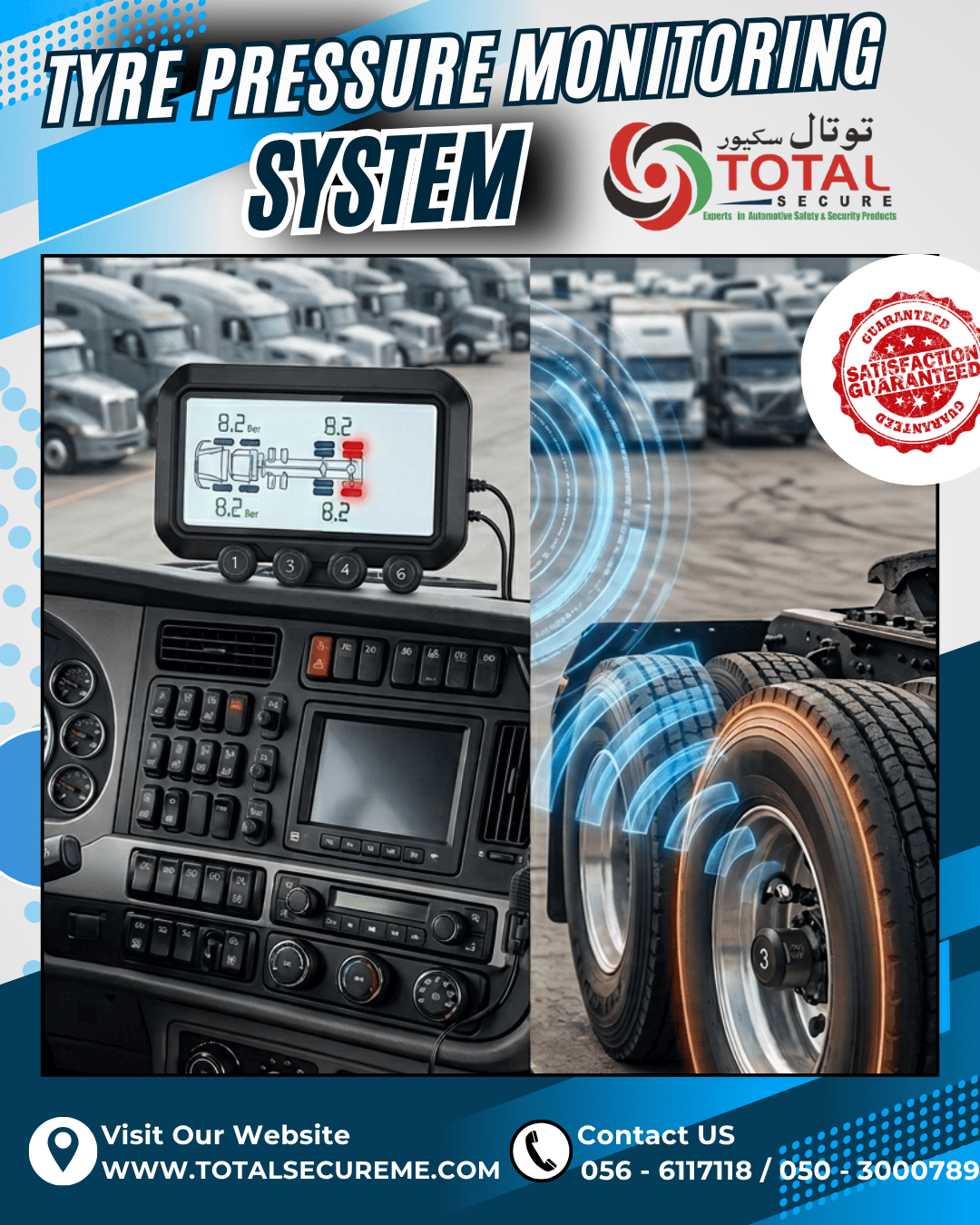
Why Heavy Truck TPMS is Critical for UAE Fleets: Preventing Heat Blowouts
Driving a heavy-duty commercial truck on UAE roads presents a unique, high-stakes set of operational challenges. With summer pavement temperatures frequently exceeding 60°C, tire degradation occurs at a much faster rate than almost anywhere else in the world.
Underinflated tires combined with blistering ambient heat create a dangerous combination: thermal buildup accelerates rapidly until the tire casing catastrophically fails. Implementing a rugged Tire Pressure Monitoring System (TPMS) tailored for heavy fleets isn't just an operational upgrade in the Gulf region—it is a critical safety shield for logistics operations crossing from Jebel Ali Port to Abu Dhabi and across GCC borders.
The Core Relationship: From UAE Asphalt to the Dashboard
A heavy-duty TPMS bridges the gap between the blazing-hot highway asphalt and the safety of the driver’s cabin. Utilizing dedicated commercial hardware—like the TOTAL SECURE Heavy-Duty TPMS Kit—the entire system operates in a real-time, continuous loop:
[ TOTAL SECURE Valve Sensor ] ───> ( High-Temp Wireless RF ) ───> [ Dash-Mounted Receiver ]
- The External Sensor Caps: These heavy-duty, dustproof sensors screw tightly onto each tire's valve stem. Marked clearly for placement (such as Axle 1 and Axle 2 dual-tire configurations like 1A, 1B, 2A, 2B, 2C, 2D), they are engineered to withstand extreme ambient heat, road debris, and intense sand ingress.
- The Wireless Transmission: The sensors continuously measure both internal tire pressure (Bar) and heat (°C). They beam this data wirelessly via radio frequency (RF) to the front of the vehicle.
- The Dashboard Display: Mounted directly in the driver’s line of sight near the console, the rugged receiver display shows a clear layout of the truck chassis. The moment a tire crosses a dangerous threshold—such as a sudden pressure drop or a severe temperature spike—the screen flashes a LOW PRESSURE or HIGH TEMPERATURE warning and sounds an immediate audio alarm.
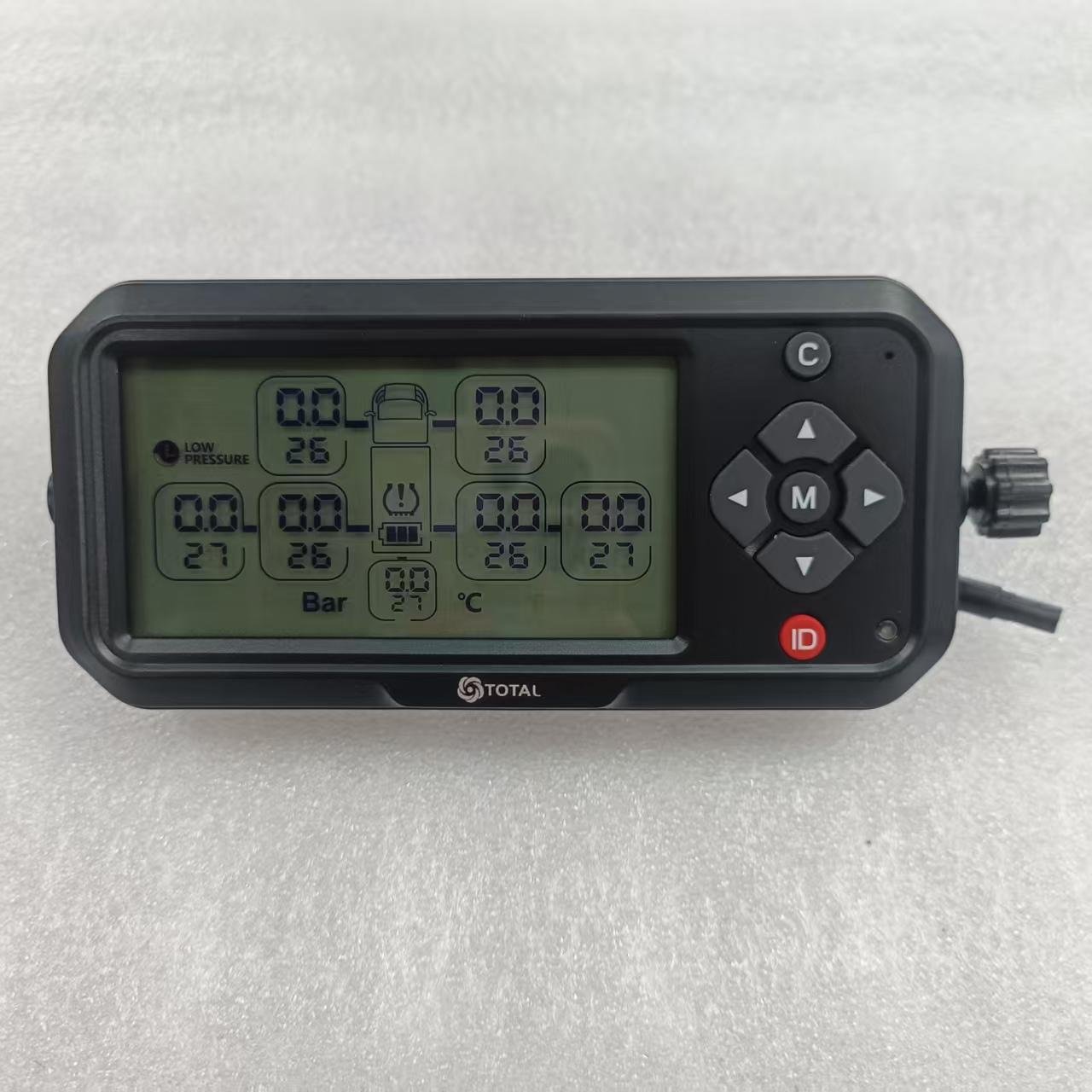
Why the UAE Market Requires Specialized Heavy-Duty TPMS
Standard passenger car TPMS systems cannot survive the demands of a commercial fleet operating in the Middle East. Heavy trucks require specialized systems for three distinct reasons:
☀️ 1. Combatting Extreme Thermal Expansion
In the UAE, a truck tire might start the morning at a standard pressure. However, after driving a fully loaded trailer down the E11 highway at midday, ambient friction and hot pavement can cause the air pressure and internal temperature to skyrocket. A specialized system tracks both pressure and temperature simultaneously, warning the driver if a specific tire position is cooking itself from the inside out.
🚛 2. Signal Repeaters for Long Fleet Trailers
Commercial semi-trucks and multi-axle trailers are incredibly long. The heavy steel structure of the truck chassis and cargo can block weak wireless signals. Heavy-duty commercial kits include a Signal Repeater (Amplifier) mounted underneath the trailer chassis. This ensures that data from the outermost rear dual-tires successfully cuts through electronic noise and reaches the dashboard display without lag.
🛡️ 3. Sand and Dust Protection (IP67 Rating)
Operating near desert highways, construction sites, and busy ports means sensors are constantly bombarded by fine silica dust and salt air. Commercial-grade external sensors feature high IP (Ingress Protection) ratings to ensure sand and Gulf humidity never corrode the internal hardware or degrade the pressure seals.
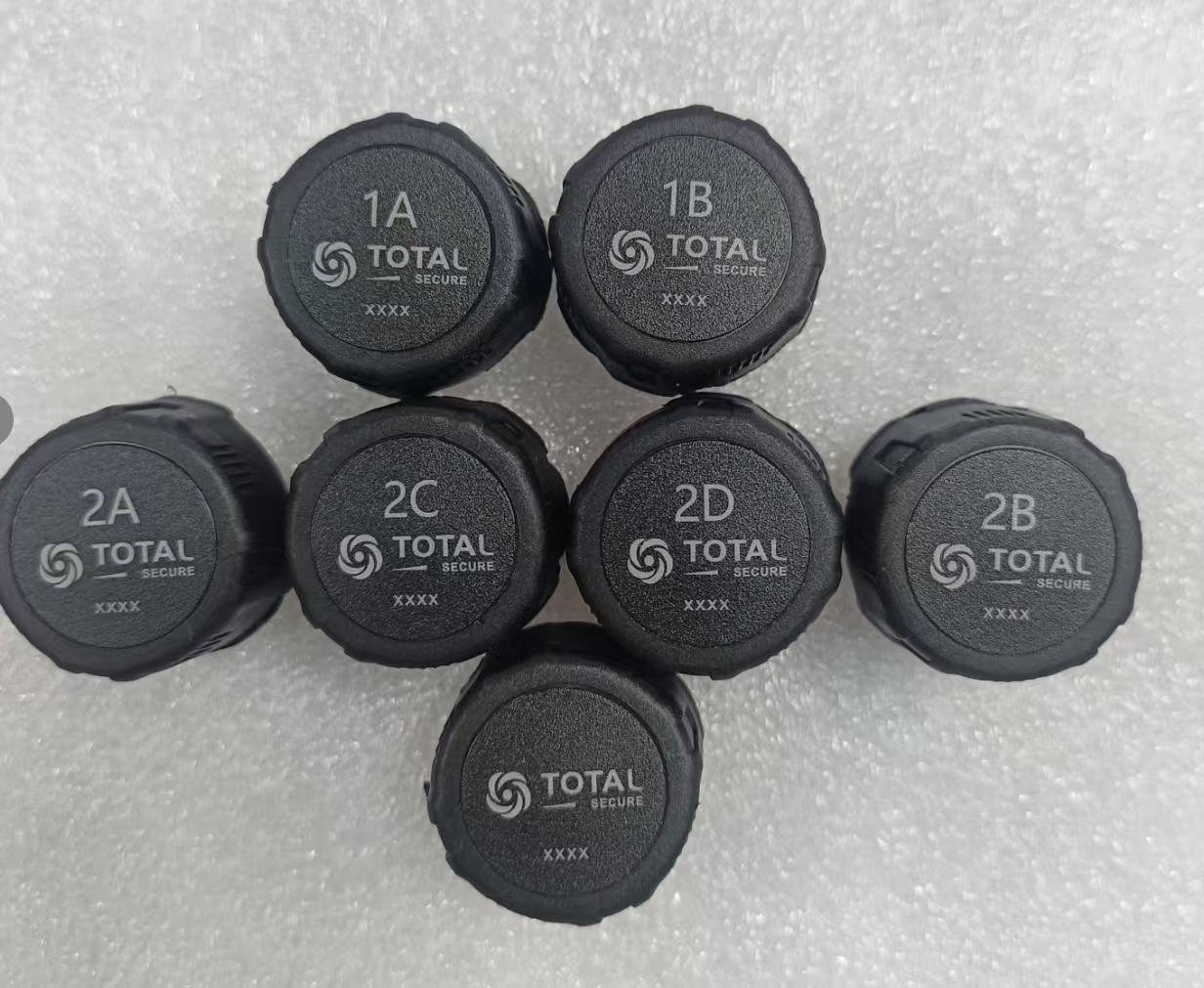
Financial and Operational Benefits for UAE Transport Companies
Investing in a digital tire monitoring system directly impacts a fleet's bottom line in competitive logistics hubs like Dubai and Abu Dhabi:
- Eliminating Expensive Roadside Downtime: A blowout on a major highway like Sheikh Mohamed Bin Zayed Road ($E311$) stalls traffic, risks cargo delays, and results in expensive emergency mobile tire repair fees.
- Optimizing Diesel Fuel Economy: Running heavy vehicles on underinflated tires drastically increases rolling resistance. With fuel expenses making up a massive percentage of fleet overhead, maintaining perfect pressure ensures optimal kilometers-per-liter efficiency.
- Extending Tire Lifespan: Commercial truck tires are a major capital expense. High heat combined with improper inflation causes rapid, uneven tread wear. TPMS helps fleet managers double the lifespan of their rubber assets through proactive maintenance.


Comments
Comments functionality coming soon...
Leave a Comment